Koi Fish Information

Main navigation

  • Getting Started
  • Tools
  • Koi Care
    • Koi Health
    • Short Stories
    • Humor
  • Pond Building
  • Pond Filtration
  • Water Quality
  • Koi Varieties

Breadcrumb

  1. Home

Are Koi Fish Poisonous? Are They Safe to Touch or Eat?

By koisensei, 25 March, 2024
03/25/2024 - 07:31
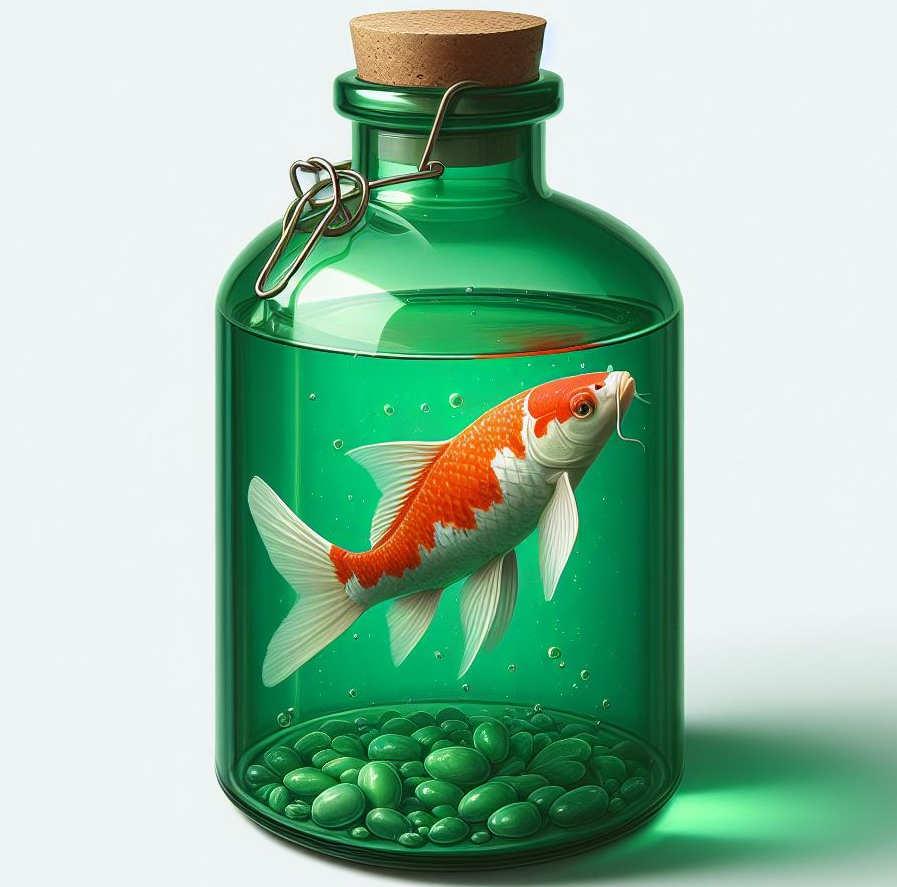
koi fish in a bottle

No, koi fish are not poisonous. Koi do not produce venom or a toxin that makes them dangerous to touch. Healthy people can generally be around koi safely, but koi and pond water can carry germs, so normal hygiene is important whenever you handle fish, pond water, filters, or other pond equipment.

Koi Safety at a Glance

Question

Answer

Are koi poisonous?

No. Koi are not poisonous and do not have toxic flesh, scales, or skin.

Are koi venomous?

No. Koi do not inject venom and do not have venomous spines.

Can you touch koi?

Yes, but unnecessary handling should be minimized because handling can stress the fish and pond water can carry germs.

Can koi bite people?

Koi may mouth fingers while feeding, but they do not have teeth designed to bite people.

Can koi carry germs?

Yes. As with other fish and aquatic environments, koi and pond water can sometimes carry bacteria that can infect people.

Should you wash your hands after pond work?

Yes. Wash thoroughly with soap and water after handling koi, pond water, filters, or pond equipment.

Why Some People Think Koi Are Poisonous

The idea that koi are poisonous is a misconception. Koi are ornamental carp, and there is no poison or venom associated with normal contact with their skin, scales, fins, or pond water. Confusion can come from myths, misunderstandings about other aquatic animals, or from mixing up the risk of infection with the idea of toxicity.

Are Koi Dangerous to Humans?

Koi are not aggressive toward people and are generally safe to keep around a home pond. The main human-health concern is not poison or venom; it is exposure to germs that can be present on fish or in the water they live in. That is why good hygiene matters after pond maintenance or fish handling.

Can You Touch Koi Safely?

Brief contact with koi is generally safe for most healthy people, but it is better to avoid handling them unless necessary. Handling can remove protective mucus and cause stress to the fish. If you do need to handle a koi, wet your hands first, support the fish carefully, and return it to the water as soon as practical.

Can Koi Bite?

Koi may gently mouth fingers, especially when they have been trained to hand-feed, but they are not equipped to bite people in the way a predatory fish can. Their feeding structures are adapted for picking up and crushing food, not attacking humans.

Can Koi Carry Diseases or Bacteria That Affect People?

Like other fish and aquatic environments, koi ponds can sometimes contain bacteria that may cause illness in people. One example is Mycobacterium, which can cause a skin infection sometimes called fish tank granuloma. Infection risk is generally associated with exposure to contaminated water or fish, particularly when bacteria enter through cuts, scrapes, or other breaks in the skin.

Safe Handling and Pond-Maintenance Practices

  • Wash your hands with soap and running water after handling koi, pond water, filters, or pond equipment.
  • Wear waterproof gloves if you have cuts, scrapes, or irritated skin on your hands.
  • Avoid putting hands with open wounds into pond water.
  • Keep pond tools separate from food-preparation areas.
  • Supervise young children around ponds and make sure they wash their hands afterward.
  • If a cut becomes red, swollen, painful, or does not heal after pond exposure, seek medical advice.

Are Koi Safe Around Children and Pets?

Koi themselves are not poisonous to children or pets. The larger concerns around a koi pond are ordinary water safety, hygiene, and preventing unsupervised access to the pond. Children should be supervised around open water and should wash their hands after touching pond water or equipment.

Can You Eat Koi?

The fact that koi are not poisonous does not mean that ornamental pond koi should automatically be treated as food. Pond fish may have been exposed to medications, water treatments, parasites, bacteria, or other substances that are not part of food-fish production. Food safety is therefore a separate question from whether koi are poisonous.

The Bottom Line

Koi fish are not poisonous or venomous. They are generally safe to keep, view, and care for, but koi and pond water can sometimes carry germs. Good hygiene, careful handling, and extra caution around open cuts are the practical safety measures koi keepers should follow.

Frequently Asked Questions

Are koi fish poisonous to touch?

No. Koi are not poisonous to touch. Wash your hands afterward because fish and pond water can carry germs.

Are koi fish poisonous to dogs or cats?

Koi do not contain a natural poison that makes them inherently toxic to pets. However, pets should not be allowed to drink heavily from or disturb pond water, and sick or medicated fish should be kept away from pets.

Are koi scales poisonous?

No. Koi scales are not poisonous.

Are koi fins poisonous?

No. Koi fins are not venomous. Careful handling is still important because struggling fish can cause minor scratches and because pond water may contain germs.

Can pond water make you sick?

It can. Aquatic environments can contain bacteria capable of causing human illness, especially when contaminated water enters a cut or wound. Handwashing and gloves are sensible precautions during pond maintenance.

Tags

  • Koi Care

Footer

  • Contact
  • FAQ
  • Privacy Policy
  • Terms