
Gyrodactylus and Dactylogyrus are monogenean flukes associated with fish skin or gills. They are small parasitic flatworms that require appropriate microscopy for identification. Rubbing, mucus changes, or rapid breathing may justify examination, but do not identify a fluke species by themselves.
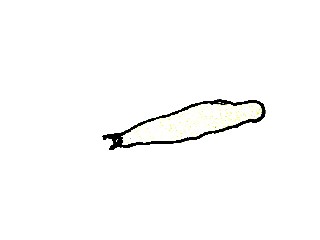
Skin and Gill Associations
Gyrodactylids are commonly associated with skin and fins and are live-bearing. Dactylogyrids are primarily associated with gills and are egg-laying. These distinctions help a professional interpret findings and plan follow-up. They are more useful than assuming both groups have an identical location, reproductive rate, or treatment timetable.
Why a Proper Sample Matters
A fish may show irritation before a parasite can be identified from ordinary observation. The sample site, quality, and examination affect what is found. Do not lift gill covers, scrape tissue, or repeatedly catch a gasping fish to perform an internet procedure. Arrange trained assistance and provide the water history.
Treatment Must Consider the Life Cycle
Egg-laying stages and changing water temperature can affect a control plan. A single dose is not automatically a complete treatment, and a monthly offspring count is not a useful dosing guide. Follow the chosen product and professional protocol, document interventions, and arrange rechecks to assess whether the original finding remains significant.
Support the Fish During Investigation
Check oxygen, circulation, ammonia, nitrite, and recent refills. Escalate promptly for persistent respiratory distress. Use the disease comparison table to understand overlapping signs, quarantine for new fish, and treatment planning before choosing a product.
Further reading: UF/IFAS: Monogeneans.