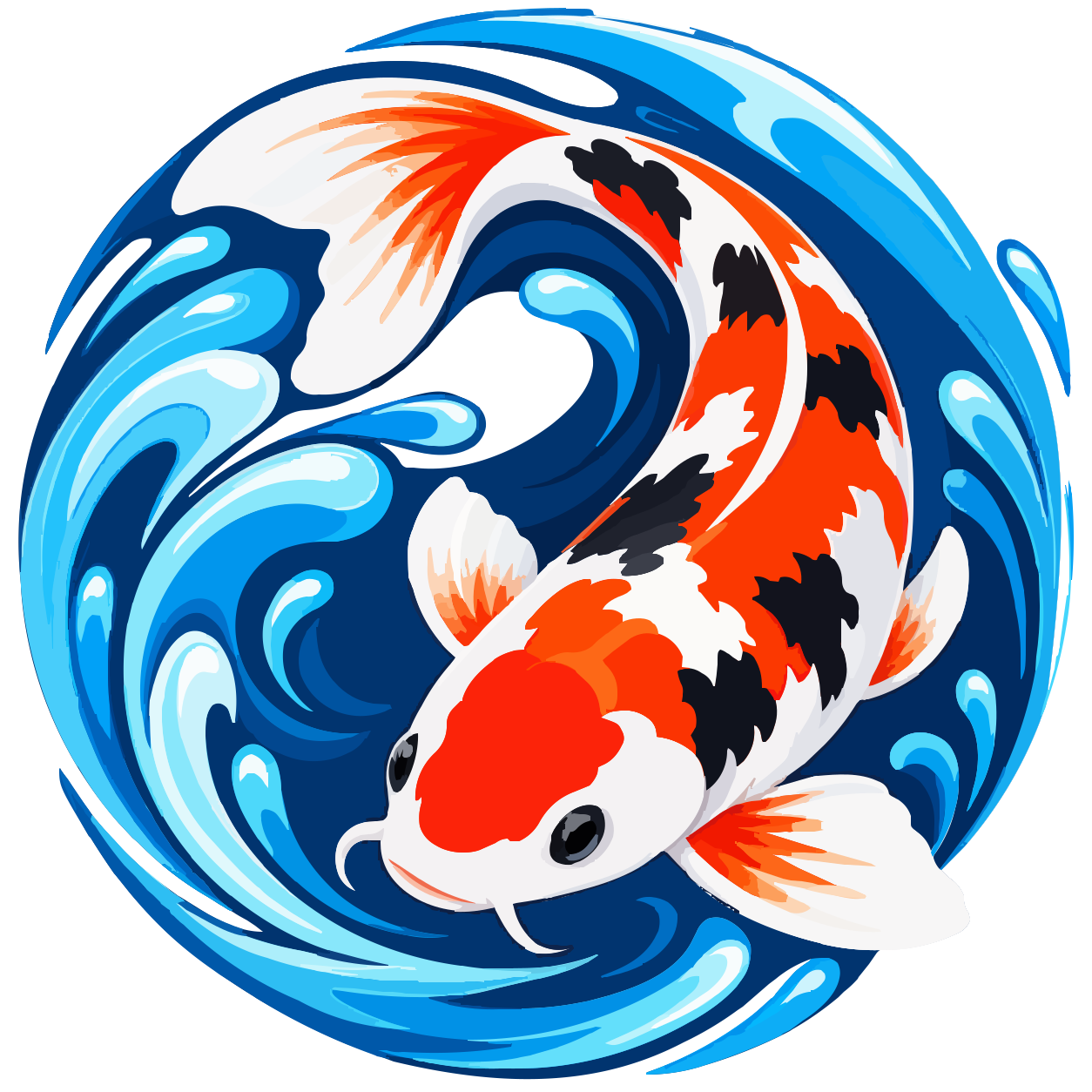
Every koi keeper dreams of two things: big, healthy fish and breathtaking color. You want your koi to glide through the water like living jewelsâbrilliant reds, pure whites, shimmering golds. But hereâs the secret behind every pond full of show-stopping koi: itâs not just genetics or water qualityâitâs feeding.
What you feed, when you feed, and how you feed can dramatically influence how your koi grow and how their colors develop. Letâs dive into the delicious science (and art) of feeding your koi to help them reach their full potentialâinside and out.
1. The Growth Formula: Itâs All About Protein and Balance
Growth in koi isnât just about getting biggerâitâs about growing well. A healthy koi should develop muscle, bone, and organ tissue in balance. Feed them wrong, and youâll get bloated bellies or stunted fish that never reach their full potential.
đ The Power of Protein
Protein is the main driver of growth. Koi use it to build muscle, repair tissue, and fuel daily activity. But not all protein is created equal! The source and digestibility matter just as much as the percentage on the label.
- High-quality protein sources: Fish meal, shrimp, krill, and spirulina.
- Low-quality fillers: Soybean meal, corn gluten, or wheat flourâthese bulk up pellets but do little for true growth.
Ideal protein levels:
- Young koi (under 1 year): 38â40% for rapid growth.
- Adult koi (2+ years): 30â35% to maintain health and shape.
- Cool weather feeding: 25â30% protein, using easily digestible ingredients like wheat germ.
Pro tip: Overfeeding protein doesnât mean faster growthâit means faster waste. Excess protein breaks down into ammonia, which can harm your koi and cloud your water. Balance is everything.
đĄď¸ Temperature and Growth
Koi metabolism rises and falls with water temperature. In warm water (70â80°F / 21â27°C), koi digest food efficiently and can handle richer, high-protein diets. In cooler water, their metabolism slowsâfeeding too much then just overloads their system.
In short: warm water = growth season; cold water = slow digestion and maintenance feeding only.
2. Feeding Frequency: Little and Often Wins the Race
Many beginners feed their koi once a day or even less, but koi actually thrive on multiple small meals. Think of them as graceful grazers rather than gluttons. Their digestive tracts are short and simpleâperfect for frequent snacking, not big feasts.
Optimal feeding schedule (during warm months):
- Feed 2â4 times daily.
- Offer only what they can eat in about 5 minutes.
- Increase frequencyânot quantityâif theyâre growing fast and water quality allows.
Pro tip: Frequent feeding supports steady growth, efficient digestion, and better nutrient absorptionâwhich all show up in color intensity and body shape.
3. The Color Connection: Feed the Rainbow
Ever wonder why some koi glow with fiery reds, shimmering whites, and deep blacks while others look washed out? Itâs not just geneticsâitâs nutrition. Koi color depends on specialized skin cells called chromatophores, which contain pigments influenced by diet.
đ¨ The Science of Koi Color
Each koiâs beauty comes from a blend of pigments:
- Carotenoids: Enhance reds, oranges, and yellows (found in shrimp, krill, and spirulina).
- Melanin: Deepens black pigment (balanced water chemistry and minerals help preserve this).
- Guanine: Gives koi their metallic shimmerâfound in fish oils and natural proteins.
Koi canât produce carotenoids on their ownâthey must get them from their food. Thatâs why color-enhancing diets are so popular among hobbyists and breeders alike.
đ Natural Color Enhancers
Want richer hues without artificial dyes? Add natural carotenoid sources to your koiâs diet:
- Spirulina: A blue-green algae that intensifies red and orange hues.
- Krill meal: Packed with astaxanthin, one of natureâs most powerful red pigments.
- Paprika and marigold extract: Gentle boosters for yellows and oranges.
- Wheat germ and garlic: Support skin health, making colors more vivid and even.
Fun fact: Japanese koi breeders often feed color diets in short âburstsâ during warm months, then switch to plain diets to prevent overly intense coloration that looks unnatural.
4. Water Quality + Food = Color Brilliance
Even the best diet wonât help if your pond water isnât up to par. Ammonia, nitrite, and algae blooms can dull koi color and even damage their skin. Think of the pond as the âcanvasâ your koi are painted onâif itâs murky, no color shines through.
- Perform regular water changes (10â20% weekly).
- Use quality filtration to keep water clear and oxygen-rich.
- Feed only as much as your system can handleâextra food equals extra waste.
Pro tip: The clearer and healthier your water, the more light reflects off your koiâs scales, amplifying their natural glow.
5. Growth vs. Color: Finding the Balance
Hereâs where things get interesting: the same feeding practices that supercharge growth can sometimes dull color. High-protein diets push koi to grow quickly, but rapid growth can stretch pigment cells and lighten colors, especially in younger fish.
The trick? Balance growth and color diets throughout the year:
- Spring: Start with wheat germ to wake digestion gently.
- Summer: Alternate between growth and color-enhancing food every few weeks.
- Fall: Shift toward easily digestible food to prepare for winter slowdown.
Pro tip: âSlow and steadyâ feeding produces the most even growth and richest coloration. A koi that matures gracefully will always outshine one that grew fast but faded early.
6. Supplements and Treats That Boost Color
Treats can also help enhance pigment developmentâwhen used smartly. The occasional snack adds diversity and natural nutrients that pellets alone might miss.
- Shrimp or krill: Excellent for reds and oranges.
- Peas and spinach: Aid digestion and help maintain bright whites.
- Oranges and watermelon: Vitamin C-rich treats that promote healthy skin tone.
Think of treats as edible vitaminsâfun for both you and your fish!
7. The Long Game: Patience and Consistency
Koi donât transform overnight. Growth and color development are slow, steady processes influenced by months (even years) of good care. The more consistent you are with quality feeding, clean water, and gentle seasonal adjustments, the more stunning your koi will become.
Just like bonsai trees or fine wine, beauty takes timeâand koi reward patience in the most spectacular way possible.
Feeding koi isnât just about keeping them aliveâitâs about unlocking their full potential. Every meal influences how they grow, shine, and display their colors. The right balance of protein, vitamins, and natural pigments can turn your pond into a living art gallery.
Feed smart, feed consistent, and feed for both health and color. Do that, and one day youâll look out over your pond and realize your koi arenât just growingâtheyâre glowing.
Because when feeding is done right, koi donât just surviveâthey become living masterpieces.