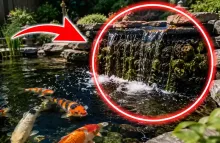
New carp research raises questions about microplastics. Learn what koi owners can inspect, what the evidence shows, and how to protect pond filtration.
Your pond is sparkling. The waterfall is doing its soothing waterfall thing. Your favorite koi glides past like a tiny celebrity arriving at an underwater awards show.
Everything looks fine.
But clear water is not the same thing as safe water. During hot weather, the problem your koi face may be something you cannot see: too little oxygen. And the most surprising part? Trouble can peak while you are asleep, long after the afternoon heat has passed.
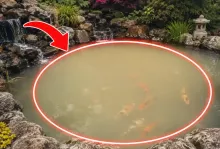
You walked outside expecting to see your koi gliding through sparkling water. Instead, your pond looks like someone poured in a gallon of milk, blended up a bag of leaves, or replaced the water with pea soup.
Even worse, your koi may have vanished beneath the murk.
Cloudy koi pond water can appear suddenly, and it often sends pond owners into panic mode. The good news is that cloudy water is usually fixable. The bad news is that dumping in random chemicals, draining the pond, or aggressively cleaning the filter can make the problem much worse.
Most koi owners worry about algae, filters, and feeding. But during a serious downpour, your biggest pond problem might be this: your koi could find the exit.
Heavy rain has a way of making people dramatic.
Weather alerts start popping up. Streets turn into rivers. Gutters sound like waterfalls. The dog refuses to go outside. Someone says, “We needed the rain,” even as the patio furniture begins migrating toward the neighbor’s yard.
But if you own a koi pond, a major rainstorm is not just background weather noise.
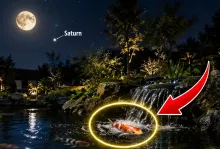
After the patio gets quiet, the koi pond is still working. Fish and microorganisms keep using oxygen, water continues through the filter, and the view can hide a change in conditions. A short evening check and a morning observation can tell you more than the reflections on the surface.
This guide covers nighttime oxygen, lighting, feeding and equipment checks without depending on a particular astronomy event.
A pond does not need a referee to signal trouble. Fish behavior, test readings and equipment flow provide warning signs. Use these twelve red flags to decide what to check promptly, rather than to diagnose a disease from one symptom.
Breathing distress, loss of balance or rapid deterioration needs immediate attention. Increase aeration safely, pause feeding and seek qualified fish-health help while checking the habitat.
Much of a koi pond’s important work is too small to see. Microorganisms on biological filter media and other surfaces help process fish waste. Think of them as a quiet maintenance crew: a useful analogy, not a literal communication network.
The biology depends on oxygen, water chemistry, suitable surfaces and the load arriving from the fish. A clear pond can still have an underperforming biofilter.
Your Koi Pond Is Not Just Water With Fish In It
Many beginners look at a koi pond and see three things:
Beautiful water can still contain a serious problem. In a koi pond, the investigation begins by distinguishing ordinary waste and filtration trouble from sewage, pesticide, fuel or other chemical contamination. Those situations need different responses.
If hazardous contamination is suspected, keep people and pets away from the water and contact qualified fish-health and appropriate local environmental help promptly. Routine pond tests do not establish that contaminated water is safe.