
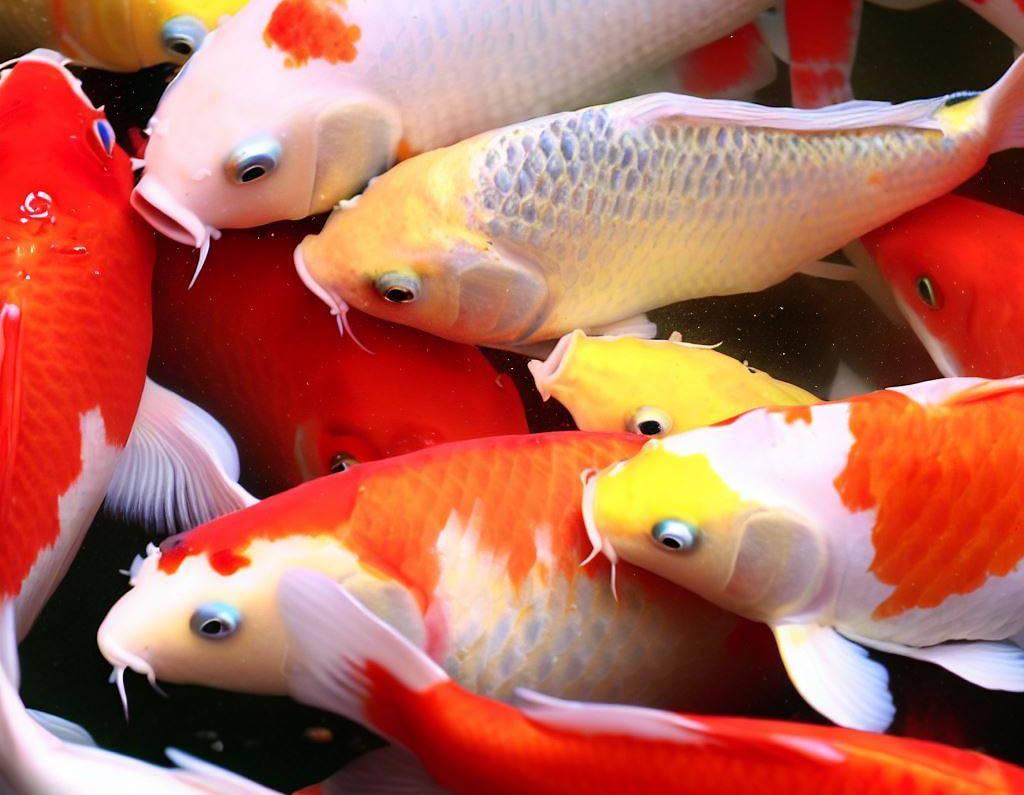
Koi spawning can be striking to watch, but it can also create injuries and a sudden waste load. Recognizing the behavior helps you protect the adult fish and decide whether you have the facilities to raise offspring.
Recognizing Spawning Activity
Persistent chasing and close contact around a mature female can accompany spawning. Activity may occur around vegetation or other surfaces where eggs attach. Season and temperature influence reproduction, but one calendar date or water temperature does not reliably predict every pond's spawn.
Eggs and Fertilization
Koi reproduce by releasing eggs and sperm into the water. The eggs adhere to suitable surfaces after contact with water. Adults may eat eggs and later fry, so a busy pond is not automatically a safe nursery. Egg appearance alone also does not guarantee successful development.
Protect the Adult Pond
Check fish for injuries and confirm aeration, flow, and filtration. Test water after spawning and monitor any increased organic load. Remove accessible debris in a controlled way without aggressively stirring the pond or repeatedly chasing exhausted fish. Serious injuries or breathing trouble need prompt assistance.
Decide Whether to Raise Fry
A separate, ready nursery needs suitable water, protected intakes, appropriate first food, and continuing capacity as juveniles grow. Moving eggs into an unprepared container can create another problem. If you cannot provide long-term care, avoid deliberately encouraging additional breeding and plan responsibly for any surviving young.
Keep Professional Techniques in Context
Hormonal induction, stripping, and artificial fertilization belong to trained hatchery work, rather than a home spawning checklist. The FAO propagation manual describes that professional context. Read fry care, breeding genetics, and distress response for the relevant next step.