
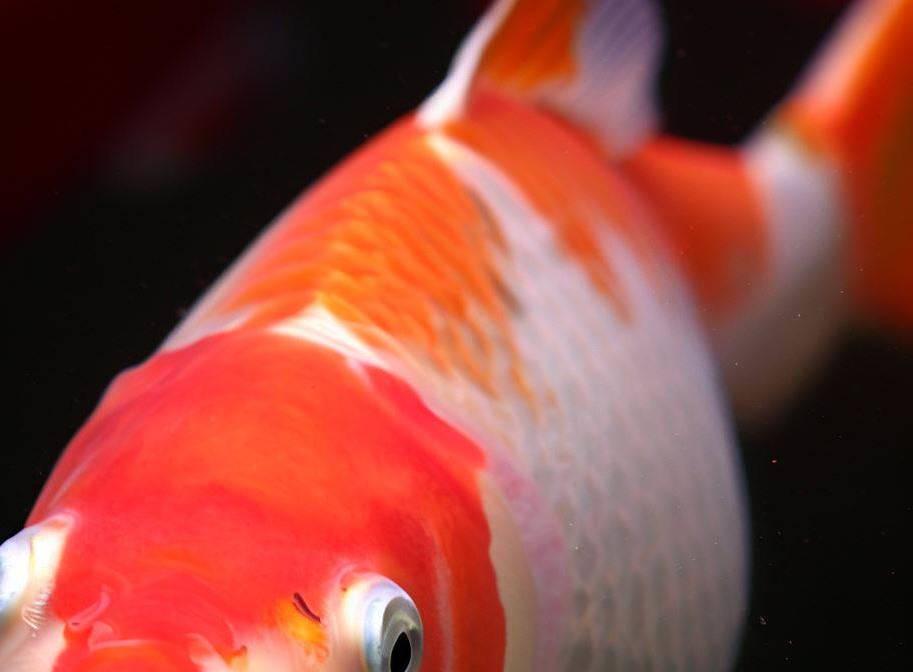
A koi's appearance can change with growth, development, viewing conditions, or illness. Color alone cannot tell you which explanation applies, and it does not reveal the fish's emotions.
Separate Lighting from a Real Change
Sun angle, water depth, reflections, camera exposure, and pond background affect perceived color. Compare views under similar conditions before concluding that pigment has faded or intensified. Heavy photo editing can make a healthy fish look different without reflecting any change in the animal.
Pattern Development Over Time
Some markings develop or alter as koi grow. Different varieties and individuals do not follow one timetable. A juvenile's photograph is a record of its current appearance, not a guarantee of the adult pattern. Keep dated comparisons and ask a knowledgeable breeder about the particular line.
Care Influences Appearance
Nutrition, environmental conditions, and overall health may affect how a fish looks. Use a suitable complete diet rather than escalating color food whenever a patch changes. More food adds waste and is not a general solution to poor color. Consider the fish and the system together.
Recognize Concerning Surface Changes
Redness around damage, an open sore, excess mucus, raised scales, or a new abnormal patch needs a different response from ordinary pattern development. Photograph safely, note behavior and timing, and check water and equipment. Serious or persistent signs warrant fish-health assessment; color is not enough to choose medication.
A Practical Comparison Record
Record the date, light, relevant test results, appetite, and whether one fish or several have changed. Avoid catching koi just to inspect a cosmetic difference. Read color vocabulary, scale features, and healthy versus stressed observations to organize what you see.