
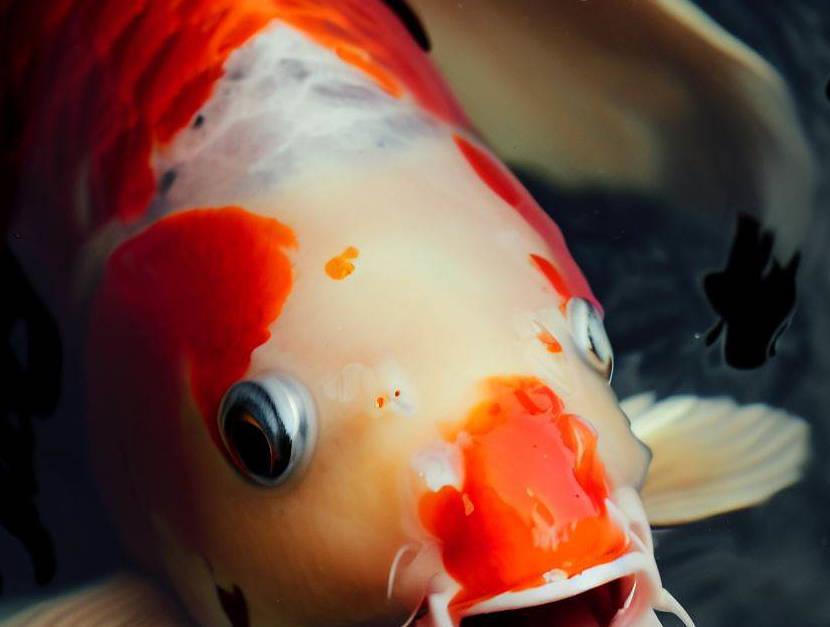
A koi's long potential lifespan makes continuity of care as important as today's feeding and water checks. Supporting longevity means maintaining a reliable system and planning for changes in the keeper's circumstances.
Start with a Suitable Habitat
Adult swimming space, oxygen support, effective filtration, and manageable maintenance access give the care routine a workable foundation. A tiny juvenile does not establish long-term suitability. Review the whole group's future size and loading before adding another fish.
Keep Useful Records
Record origin, known age information, introductions, health events, water trends, and equipment service. Dated photographs in similar light can help track appearance without repeated handling. A reliable hatch record is better evidence of age than guessing from body length or counting scale ridges.
Respond to Changes in an Older Fish
Slower movement or changed appetite may have several causes, including temperature, water conditions, and disease. Do not assign every new symptom to age. Compare the fish's usual behavior, inspect the system, and seek fish-health advice for persistent or serious changes.
Make Care Transferable
- Write a simple feeding plan that includes automatic and family portions.
- Label equipment controls and essential operating checks.
- Give a backup keeper contacts and a response plan.
- Provide safe access to needed supplies and test instructions.
- Keep a realistic budget for maintenance and fish-health assistance.
Plan Beyond Your Own Ownership
A move, illness, or major pond repair can interrupt care. Identify a suitable holding or rehoming option before a crisis. Never release koi into natural waters. They are a long-term responsibility, but no bloodline or care product guarantees a particular age. Read lifespan and the Hanako claim and equipment failure planning for related decisions.