
Koi can become familiar, long-lived pond companions. Their color and feeding behavior are part of the attraction, but choosing koi as pets means preparing for large adult fish and an ongoing water-management job.
The Appeal of Pond Companions
Watching individual fish develop gives the hobby a personal rhythm. Some approach a familiar feeding place readily; others remain cautious. Enjoy those differences without expecting every fish to hand-feed or interpreting every approach as affection. Calm observation is rewarding even when the koi stay below the surface.
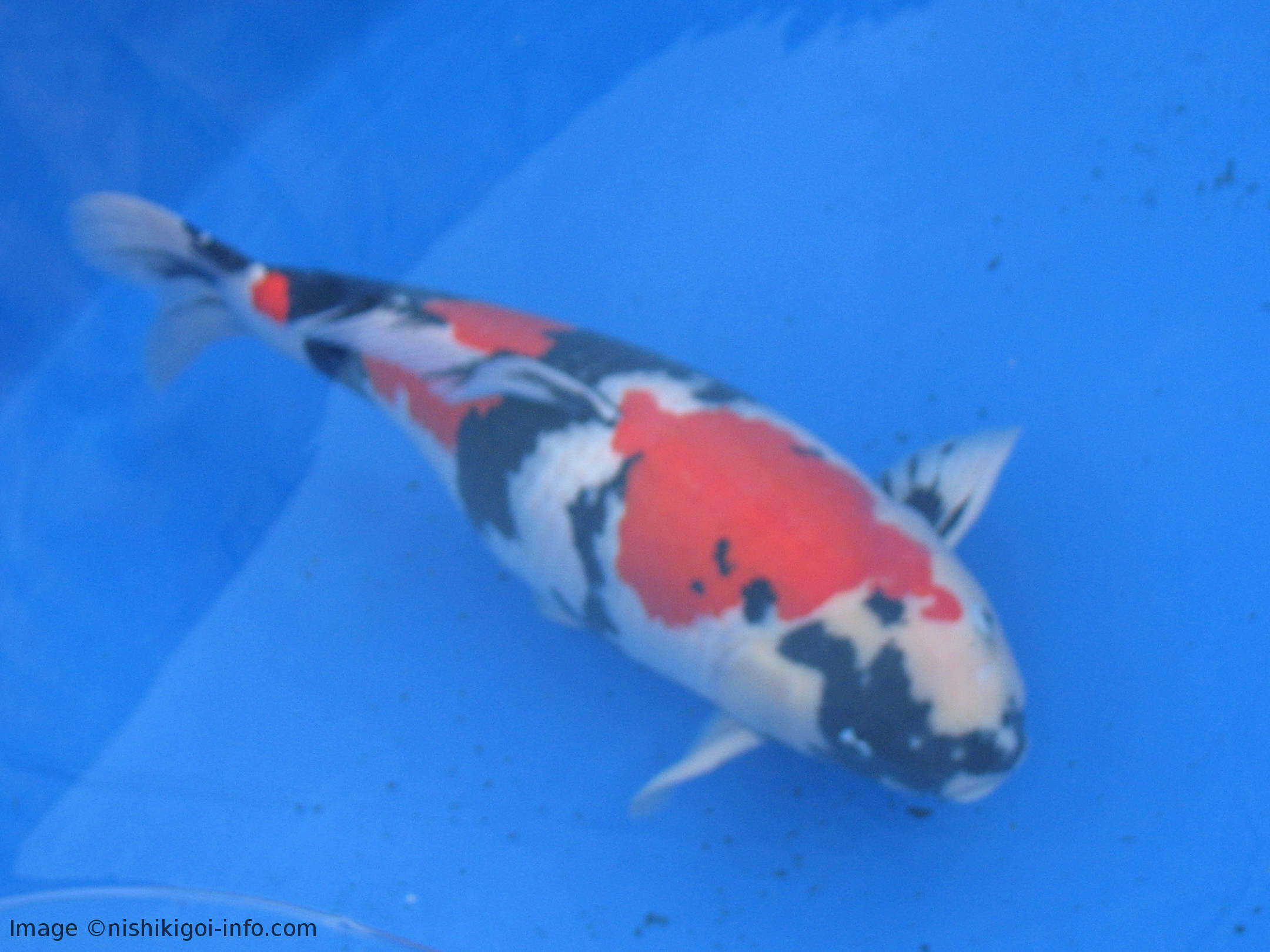
Prepare the Adult Habitat First
A small juvenile is not evidence that a small tank or ornamental water feature will remain suitable. Plan swimming space, filtration, oxygen support, access for maintenance, and climate protection for the intended adult group. Keep room in the plan for quarantine and equipment failures before buying fish.
Feed for Care, Not Constant Entertainment
Use a suitable complete diet, matched to water temperature, fish condition, and system capacity. Treats and hand-feeding portions count toward the same allowance. Repeated snacks from different family members can increase waste without being obvious to the main keeper. Food is not a cure for timid or unwell fish.
Make the Routine Sustainable
- Observe breathing, swimming, appetite, and visible injuries.
- Test water and service equipment on a schedule suited to the pond and recent changes.
- Arrange competent holiday cover and a tested failure-response plan.
- Budget for power, food, tests, maintenance, and fish-health help as well as the purchase.
Decide Whether Koi Fit Your Home
Consider safe pond access, available space, running costs, and who will care for the fish in later years. Koi may eat eggs or small fish, so compatibility needs more than a peaceful reputation. Start with the purchase-readiness checklist and the pleasures of koi keeping. A club can help you learn, but membership cannot replace a suitable system.