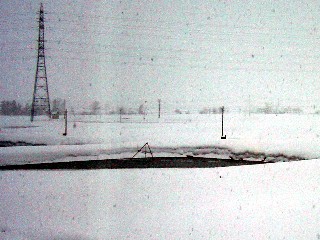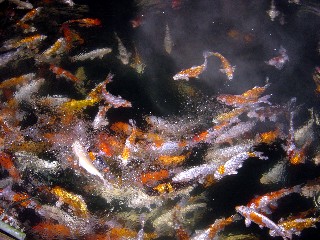
Winter koi care is a plan for oxygen, stable water, functioning equipment, and enough unfrozen space. Koi become less active in cold water, but they still breathe and produce waste. Quiet fish are not proof that the pond no longer needs monitoring.
Decide Whether the Pond Can Support Winter Fish
Depth alone is not a guarantee. Climate, insulation, ice formation, water volume, equipment, and oxygen supply all matter. If the pond may freeze throughout or cannot be maintained safely, arrange a suitable indoor system before conditions become severe.
Keep Gas Exchange Available
Use pond-appropriate equipment to maintain access between water and air. Check the opening and the equipment regularly. A de-icer usually maintains an opening; it does not necessarily heat the whole pond to a suitable temperature.
Plan aeration placement for the particular winter system. Avoid blindly applying a summer layout in a freezing climate. Keep cables, air lines, and accessible equipment protected as the manufacturer requires.
Review Waterfalls and Plumbing
Exposed waterfalls can cool water and ice can divert flow out of a pond. In cold regions, a bypass may allow the waterfall to be drained while preserving the needed circulation and filtration. Do not turn off the whole life-support system simply because one feature is vulnerable.
Feeding and Testing
Use the temperature-based feeding plan. Outdoor feeding is commonly withheld in cold conditions, but a heated indoor system is different. There is no single calendar date when every koi stops eating.
Continue checking temperature, ammonia, nitrite, pH, and alkalinity as appropriate. Koi still produce waste in cold water. Assess freezing risk from the actual system and conditions, and do not add salt automatically as a winter-care step.
A Practical Winter Inspection
- Check water level, the gas-exchange opening, and aeration.
- Look for ice dams, leaks, failed heaters, and frozen lines.
- Observe fish without repeatedly disturbing or catching them.
- Have a power-outage plan and suitable backup equipment.
Persistent loss of balance, injury, abnormal breathing, or unexpected deaths need investigation. Read fall preparation before the first freeze.
Reference: Aquatic Veterinary Services: Winter Pond Care.