
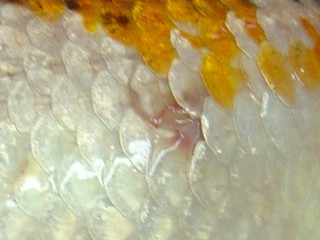
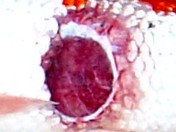
Aeromonas bacteria can be involved in koi skin ulcers and other infections. An ulcer is an open skin lesion, not a laboratory identification of one species. The spelling is Aeromonas hydrophila, but an appearance-based diagnosis cannot establish that organism as the cause of a particular wound.
Look Beyond the Wound
Record when the lesion appeared, whether it is enlarging, and changes in appetite or swimming. Check water, oxygen, handling injuries, rough surfaces, and possible parasites. Environmental stress and tissue damage can contribute to disease, but it is too absolute to say infection occurs only after the mucus coat is removed.
What Tests May Be Needed
A veterinarian may recommend examination, appropriate bacterial sampling, and culture with susceptibility testing. Samples can be affected by earlier antibiotics or poor collection, so ask for instructions before applying products. Photograph a visible lesion without repeated chasing, and supply a list of every recent treatment.
Treatment Is Individual
Some lesions require veterinary treatment, including prescribed antibiotics when indicated. Do not inject a fish, use leftover antibiotics, or apply a concentrated bath recipe from a general article. Water management and the underlying cause matter alongside any medicine. A brand name is not a guarantee that a resistant infection will resolve.
Urgent Signs and Follow-Up
Get prompt help for a deep or expanding ulcer, severe swelling, raised scales, weakness, or loss of balance. Dropsy describes a clinical appearance, not one inevitable sequence or a fixed countdown to death. A hospital system must be suitable before transfer; follow the professional's plan for temperature and release. Compare Pseudomonas for another possible bacterial group.
Further reading: Aquatic Veterinary Services: Fish Ulcers.