
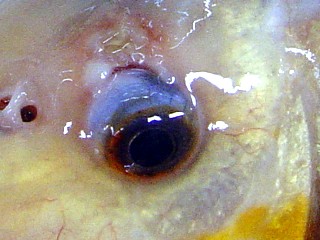
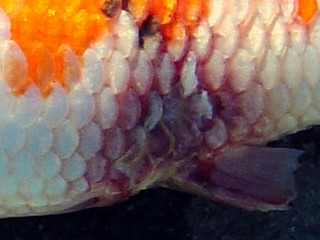
Pseudomonas bacteria can be associated with koi ulcers and other infections. Similar-looking lesions can have different causes, including environmental damage and other organisms. A wound photograph does not establish Pseudomonas fluorescens, and a species name should not substitute for an examination.
Build a Useful Case History
Record the lesion's location, first appearance, progression, and the fish's breathing, balance, and appetite. Include water readings with units, temperature, source water, recent handling, and new fish. Note whether several fish have similar lesions, which can change how a professional investigates the system.
Why Sampling Matters
Culture and susceptibility testing may help direct antibiotic decisions when a bacterial infection is suspected. Contact the veterinarian before using antibiotics or collecting your own samples; treatment and sample quality can influence the result. An earlier diagnosis of Aeromonas in another fish does not identify this wound.
Supportive Care and Treatment
Inspect oxygen, filtration, solids removal, and sources of repeated injury. Do not automatically heat a sick fish or move it into an unfiltered container. A hospital system should provide appropriate water, aeration, and monitoring. Prescribed treatment may be needed, but concentrated topical products, injections, and antibiotic combinations require individual direction.
How to Judge Progress
Keep dated photographs and records of the professional plan. Look for a stable or improving lesion along with normalizing behavior; color alone is not a complete recovery measure. Escalate promptly for a spreading wound, severe swelling, persistent breathing trouble, or weakness. Release from treatment housing should follow the case plan rather than a fixed number of days. See treatment checks and sick-koi support.
Further reading: Aquatic Veterinary Services: Fish Ulcers.