Ich, caused by Ichthyophthirius multifiliis, is a freshwater parasite that can affect koi skin and gills. White spots may be visible, but not every white spot is Ich and gill involvement may occur without obvious body spots. Breathing trouble needs attention even if the skin looks normal.
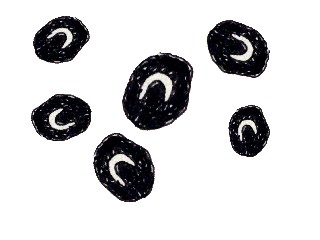
Confirm the Cause of White Spots
Look for the distribution of spots and associated rubbing, mucus, clamped fins, or breathing changes. Record water results and recent additions. Microscopic examination can help distinguish Ich from other causes. Do not select a treatment solely because a photograph resembles grains of salt.
The Three Main Stages
- Trophont: the feeding stage associated with the fish's tissues.
- Tomont: the environmental reproductive stage after leaving the fish.
- Theront: the infective swimming stage that seeks a fish.
Those stages do not respond identically to treatment. Temperature influences development, so disappearance of visible spots does not prove the cycle has been interrupted.
Why Treatment Needs a Schedule
Use a professionally chosen, product-specific protocol with suitable water, oxygen, and follow-up. One unscheduled dose or a blanket heating plan may miss protected stages or add stress. Record when each intervention occurs and complete the recommended monitoring rather than stopping as soon as the fish looks better.
What to Do First
Support aeration, check water quality, and obtain a diagnosis if signs persist. Seek urgent help for gasping, loss of balance, or rapidly worsening signs. Compare flukes and Costia as other possible irritants, and use quarantine to reduce introduction risk.
Further reading: UF/IFAS: White Spot Infections.