
Trichodina are microscopic ciliated organisms associated with fish skin, fins, and gills. In significant numbers they can contribute to irritation. Repeated flashing, excess mucus, or breathing changes are reasons to investigate, but those observations also occur with other parasites and water problems.
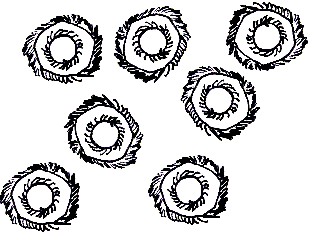
What Microscopy Can Show
Trichodina have a distinctive circular, saucer-like appearance and whirling movement under suitable microscopy. Finding and interpreting them requires a properly collected sample and experience. A phone video of rubbing cannot confirm either the organism or the severity of an infestation. Avoid taking gill samples without trained help.
Check the System as Well as the Sample
Review solids accumulation, filter service, stocking, feeding, and water results. Trichodina are often associated with organically loaded conditions, so removing captured waste and maintaining suitable water can be part of management. That association does not mean every dirty pond has the same parasite or every case is solved by cleaning alone.
Choose Treatment from the Finding
A confirmed problem needs an appropriate protocol, monitoring, and rechecks. Routine salting is not a universal answer. Consider oxygen support, product compatibility, and the fish's condition before an intervention. Record what was found and what was done so a professional can assess response rather than starting again from symptoms alone.
When to Seek Help
Get prompt fish-health assistance if breathing is abnormal, multiple fish decline, or signs continue despite correcting environmental problems. Compare Costia, flukes, and water-quality irritation. Keep incoming fish in quarantine and avoid sharing wet equipment.
Further reading: UF/IFAS: Motile Ciliates.