
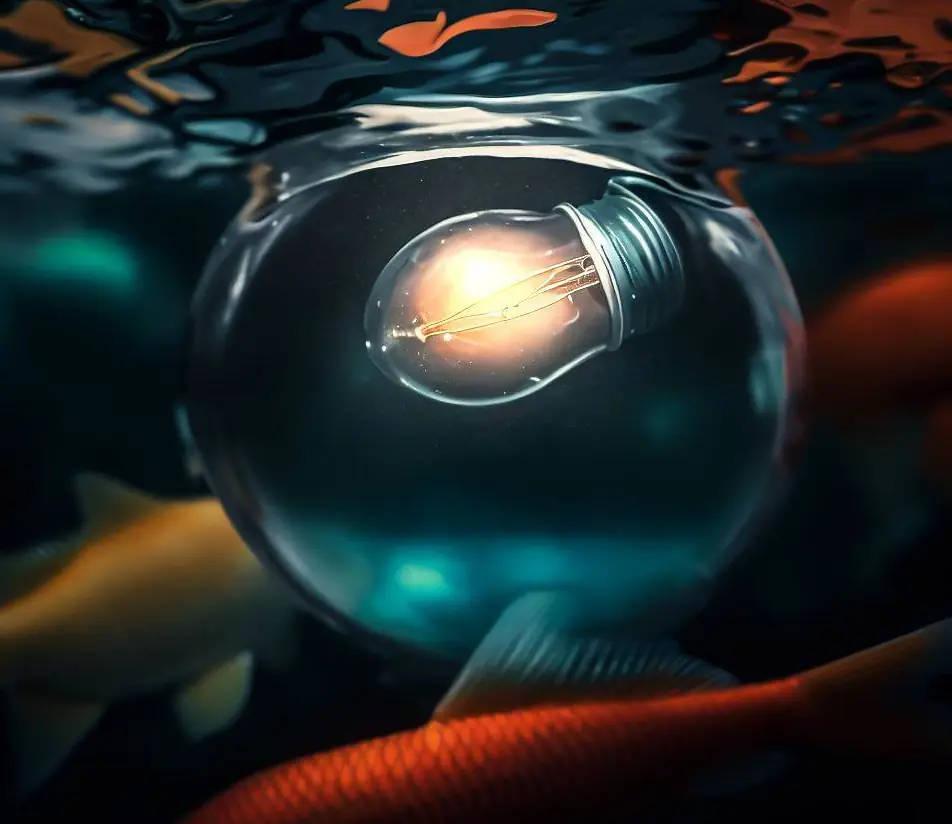
Pond lighting changes what you can see after dark; it is not a treatment for poor growth or fading color. Decide what needs illumination, install appropriate equipment, and limit operating hours. Fish, paths, and garden features do not all need the same light.
Choose a Viewing Purpose
Start with the position where you sit or stand. Test glare from the water surface and reflections from windows. One restrained light on a feature may be more useful than lighting every corner. Keep enough appropriate path illumination for access without pointing beams toward neighboring windows.
Separate Display from Fish Care
Artificial light can reveal fish movement, but brightness and colored effects change apparent color. Do not diagnose health or claim pigment improvement from a lighting display. Day-to-day observation, water tests, nutrition, and suitable habitat remain the care priorities. Use daily observations when checking the fish.
Match the Fixture to the Location
Underwater, splash-zone, and garden fixtures have different suitability requirements. Water-resistant does not mean approved for submersion. Use the specified power supply, connectors, cable, and installation arrangement. Low voltage does not eliminate electrical risk. Have a qualified installer resolve electrical compatibility and protection questions.
Plan an Evening Schedule
Use lights for a viewing period and retain a regular dark period. Avoid startling effects and rapid color changes around the fish. Timers need a review after outages, seasonal changes, or controller resets. Lighting should be optional during backup-power operation; life support has priority. See outage priorities.
Keep Maintenance Practical
- Leave fixtures reachable without entering the pond.
- Protect cables from trips, mowing, damage, and fish entanglement.
- Clean and inspect equipment according to its manual.
- Check for glare and unsafe shadows from the normal path.
Review the Result at Night
Walk the route safely and check the view from the seat and house. Adjust aiming before adding more fixtures. The lighting-selection guide compares options, while photography guidance helps document fish without changing essential pond operation.