
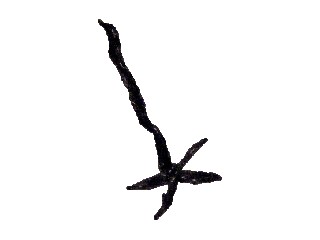
Anchor worm is the common name for Lernaea, a parasitic copepod rather than a true worm. The attached adult female can look like a thin projection from the skin, often with irritation around the attachment. A strand or wound needs proper examination before it is labeled anchor worm.
Observe the Attachment and the Fish
Record the location, number of visible attachments, surrounding redness, and whether several fish are affected. A photograph can help a professional plan an examination. Look for changes in breathing, appetite, or swimming as well as the visible projection. Avoid repeated catching just to get a sharper picture.
Why Tweezers Are Not a Complete Treatment
Pulling at an attached parasite can damage tissue or leave material behind. It also does not remove free-living stages from the system. Do not apply iodine, potassium permanganate, or other chemicals to a wound by guesswork. Ask an experienced fish veterinarian how the fish and environment should be managed together.
Treatment and Follow-Up
Control depends on the confirmed parasite, conditions, suitable products, and the stages present. A fixed summer hatching interval is not a universal schedule. Monitor water and oxygen, document any prescribed intervention, and complete the recommended rechecks. Worsening wounds or a weak fish need prompt professional attention.
Prevent Reintroduction
Use a separate ready quarantine system for new fish and keep its equipment dedicated. Review fish additions and shared equipment when investigating a new case. Compare fish lice and ulcer problems rather than assuming all visible skin attachments have the same cause.
Further reading: UF/IFAS: Lernaea Infestations.